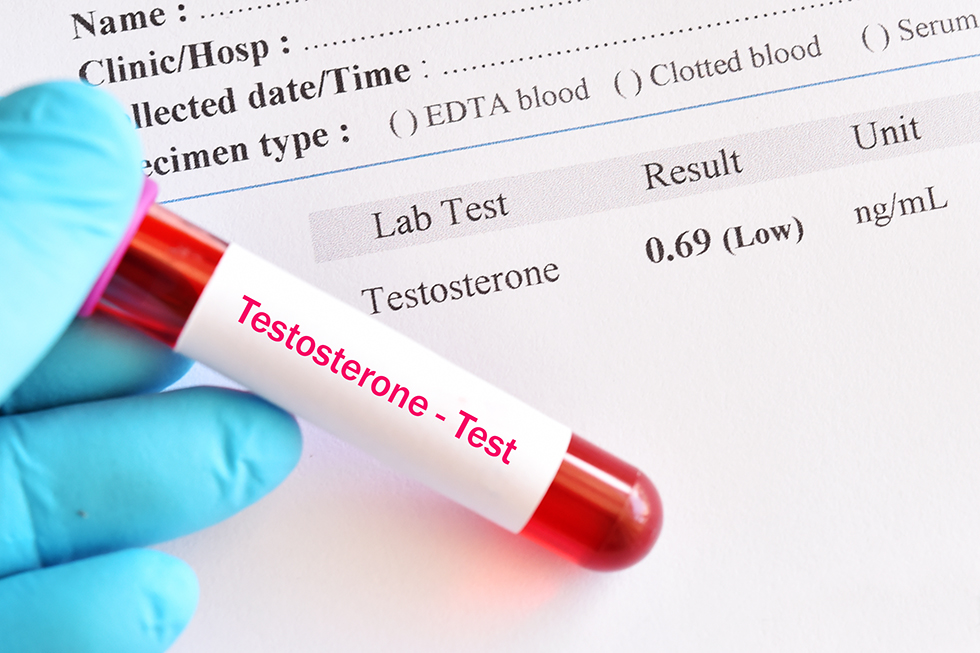
Testosterone replacement therapy (TRT) restores testosterone to healthy physiological levels in men whose bodies no longer produce enough on their own. Levels naturally decline by roughly 1% per year after age 30, but for many men the drop is steep enough to cause real symptoms well before typical "aging" would explain them. Because those symptoms build gradually, most men live with them for years before connecting the dots back to a hormone that a standard physical rarely checks.
Signs of Low Testosterone
Low T tends to show up across several systems at once, not just one:
- Persistent fatigue and low energy despite adequate sleep
- Reduced muscle mass and difficulty building strength despite consistent training
- Increased body fat, particularly around the abdomen
- Low libido and erectile dysfunction
- Brain fog, poor concentration, and a flat or irritable mood
- Disrupted sleep and reduced motivation or drive
Any one of these can have other causes, which is why a full lab workup — not symptoms alone — should confirm the diagnosis before treatment starts.
How TRT Works
TRT replaces testosterone directly, using one of several delivery methods depending on a patient's labs, lifestyle, and preference:
- Subdermal Pellet Therapy: Implants placed under the skin that release testosterone steadily over 3 to 6 months, avoiding daily dosing.
- Injectable Testosterone: Intramuscular or subcutaneous injections, typically weekly or biweekly, offering precise dose control.
- Topical Gels and Creams: Daily application absorbed through the skin, convenient but requiring care to avoid transfer to others.
Dosing is never one-size-fits-all. Baseline bloodwork — total and free testosterone, estradiol, LH, FSH, PSA, hematocrit, and a full metabolic panel — should guide the starting protocol, with follow-up labs used to fine-tune the dose and delivery method over time.
Benefits Men Typically Report
When testosterone is restored to an optimal range under proper supervision, men commonly notice:
- Improved energy, motivation, and mental clarity
- Easier fat loss and improved ability to build lean muscle
- Better libido and erectile function
- More stable mood and improved sleep quality
- Improved bone density with long-term use
Results are gradual — energy and mood improvements often appear within a few weeks, while body composition changes typically take several months of consistent treatment paired with training and nutrition.
Risks and Safety Considerations
TRT is not appropriate for every man, and it requires ongoing monitoring:
- Elevated hematocrit (thickened blood), which raises clotting risk and must be tracked with regular labs
- Suppression of natural testosterone production and testicular size, an important consideration for men who may want future fertility
- Acne, fluid retention, or elevation in estradiol if testosterone converts to estrogen
- TRT is generally not recommended for men with untreated prostate cancer or severe untreated sleep apnea until those conditions are addressed
These risks are manageable with baseline screening, appropriate dosing, and periodic follow-up labs — but they are the reason TRT should never be self-directed or sourced without clinical oversight.
Who Is a Candidate?
Men with clinically low testosterone confirmed by morning bloodwork on at least two occasions, combined with consistent symptoms, are generally the best candidates. Age alone doesn't determine candidacy — a thorough evaluation of labs, symptoms, and health history does.
How Wellness Reboot Now Can Assist
Starting TRT without proper diagnostics and supervision is one of the most common reasons men see poor results or unwanted side effects. Located in Boca Raton, Florida, Wellness Reboot Now builds every men's hormone protocol around the individual, not a template:
- Comprehensive Lab Panels: Full hormone, metabolic, and prostate-health screening establish an accurate baseline before any treatment begins.
- Clinician-Led Protocols: Under the direction of Board-Certified Family Nurse Practitioner Deejay Linders (FNP-BC), testosterone type, dose, and delivery method are matched to each patient's labs and goals.
- Adjunctive Recovery Therapies: TRT can be paired with red light therapy (photobiomodulation), PEMF, and hyperbaric oxygen therapy to support recovery, mitochondrial function, and overall performance.
- Ongoing Monitoring: Scheduled follow-up labs track hematocrit, estradiol, and testosterone levels so dosing stays safe and effective over the long term.
If you're experiencing symptoms of low testosterone, a comprehensive evaluation is the first step toward finding out whether TRT is right for you.
Ready to Feel Like Yourself Again?
Book a free consultation and let's build the protocol your body has been waiting for.
Book a Free Consultation